



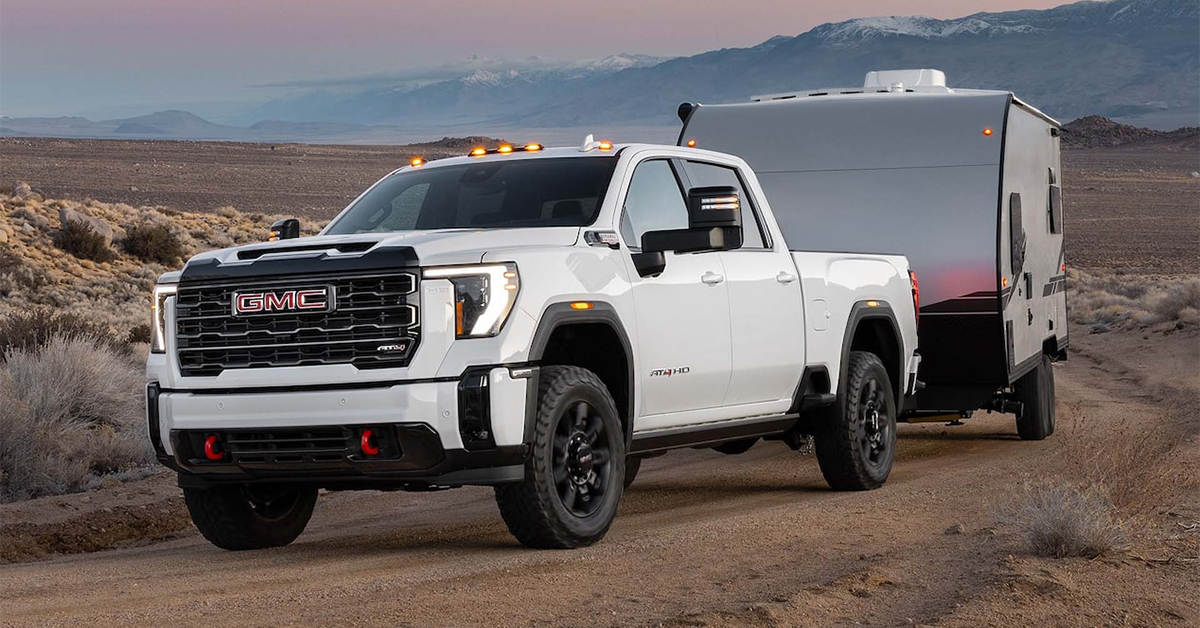
A GMC Sierra stuttering when accelerating can be frustrating and concerning, especially if you rely on your truck for daily work or long drives. In this article, we’ll explore the most common causes behind Sierra engine hesitation—from fuel system and ignition issues to transmission or airflow problems—and share expert truck stutter diagnostics to help you pinpoint the issue. You’ll learn what might be causing your GMC throttle stumble, how to identify early warning signs, and when it’s time to visit the professionals at Robert Brogden’s Garden City GMC for a thorough inspection.
At Robert Brogden’s Garden City GMC, we’re proud to be your trusted source for everything automotive in Garden City, Deerfield, Wolf, Lakin, and Hartland. Whether you’re searching for a new Sierra 1500, maintaining your Sierra 2500, or needing expert repairs for your Sierra 3500, our dedicated team is here to help every step of the way. From sales and financing to certified GMC service and genuine parts, we’re committed to keeping your truck running strong. If your vehicle isn’t performing the way it should, give us a call or visit our service department today—our technicians are ready to get you back on the road with confidence.
Why Is Your GMC Sierra Hesitating When You Hit the Gas?
If your GMC Sierra hesitates when you press the gas, you’re not alone. Many drivers notice a brief pause or shaking when accelerating, often called a GMC Sierra acceleration stutter or GMC throttle stumble. This hesitation can make your truck feel sluggish and reduce your confidence on the road. It’s more than an annoyance—it’s a sign your engine may not be getting the right mix of air, fuel, or spark.
A Sierra engine hesitation can happen in any model—whether you drive a Sierra 1500, Sierra 2500, or Sierra 3500. These trucks are built for strength and smooth performance, so when something feels off, it’s important to pay attention. Even small issues can affect 2025 Sierra drivability and lead to bigger problems later.
Here are a few signs that may point to a hesitation problem:
- Your truck jerks or stutters during acceleration.
- You notice a delay between pressing the gas and the engine’s response.
- The engine feels rough or uneven at low speeds.
- Fuel economy drops for no clear reason.
When your truck starts showing these symptoms, it’s best to begin with truck stutter diagnostics. Modern vehicles store helpful data in their onboard computers, so scanning for trouble codes can reveal what’s going wrong. In some cases, it might be a simple fix—like cleaning a sensor or replacing a worn spark plug. In others, you might need a more detailed inspection of your fuel or ignition system.
No matter the cause, addressing the issue early helps you avoid expensive repairs later. A properly tuned Sierra runs with steady power, smooth shifts, and confident acceleration—just the way GMC designed it.
Could Fuel System Problems Be Causing the Stutter?
One of the most common causes of a GMC Sierra acceleration stutter is a problem in the fuel system. When your engine doesn’t get the right amount of fuel, it can lead to Sierra engine hesitation, weak acceleration, or even stalling. Whether you drive a Sierra 1500, Sierra 2500, or Sierra 3500, fuel delivery plays a key role in how your truck performs.
The fuel system has several parts that must work together. If even one of them fails, you may notice a loss of power or smoothness. Here are a few common culprits:
| Fuel System Issue | What Happens |
| Clogged fuel injectors | Dirty injectors limit fuel flow, causing rough idling and hesitation. |
| Failing fuel pump | A weak pump can’t maintain pressure, leading to stuttering or loss of power. |
| Dirty fuel filter | A blocked filter restricts flow, starving the engine of fuel. |
| Bad fuel quality | Contaminated fuel can affect combustion and lower engine performance. |
If you’re noticing a GMC throttle stumble or uneven acceleration, these are often the first areas to inspect. Sometimes, the fix is simple—cleaning the injectors or replacing the fuel filter can make a big difference in 2025 Sierra drivability.
For a deeper look, start with truck stutter diagnostics using an OBD-II scanner. This tool can read error codes and help pinpoint which part of the fuel system needs attention. If you’re not comfortable diagnosing it yourself, it’s best to let a professional technician handle it.
A healthy fuel system keeps your Sierra running strong, smooth, and reliable—just the way it was designed to. Taking care of it early ensures every press of the pedal delivers the power you expect.
How Do Ignition System Failures Lead to Engine Hesitation?
If your truck jerks or hesitates when you accelerate, the problem may come from the ignition system. This system controls the spark that lights the fuel in each cylinder. When it fails, the result is often a Sierra engine hesitation or a GMC Sierra acceleration stutter.
A weak or missing spark means the air-fuel mix doesn’t burn completely. That’s why you might feel a shake, stumble, or loss of power. Whether you drive a Sierra 1500, Sierra 2500, or Sierra 3500, these problems can affect how your truck drives and reduce 2025 Sierra drivability. Below are some common ignition system problems and what they cause:
| Ignition Issue | Effect on Performance |
| Worn spark plugs | Cause misfires, weak power, or poor fuel economy. |
| Faulty ignition coils | Stop one or more plugs from firing. |
| Bad plug wires | Lead to rough idle and uneven acceleration. |
| Incorrect timing | Makes the engine run out of sync and feel sluggish. |
You can often spot early signs before they become serious. Listen for misfires, rough idling, or longer cranking when starting the truck. These are warning signs that the ignition system may be wearing out.
Running truck stutter diagnostics can help identify which part of the system is failing. Replacing worn parts early can prevent more costly repairs later. A clean spark means steady power and smoother acceleration, restoring your GMC’s strong, confident performance.
Can Airflow or Vacuum Leaks Be to Blame for the Rough Acceleration?
Smooth airflow is vital for proper engine power. When your GMC Sierra struggles to accelerate, the cause could be an airflow or vacuum issue. If the engine takes in too much or too little air, it can create a GMC Sierra acceleration stutter or Sierra engine hesitation.
The air-fuel mix must stay balanced for clean combustion. When that balance shifts, your truck may feel weak or rough when accelerating. Whether you drive a Sierra 1500, Sierra 2500, or Sierra 3500, leaks or blockages can lower 2025 Sierra drivability and fuel efficiency.
Here are the most common airflow and vacuum problems to check:
| Airflow or Vacuum Problem | Possible Effect on Performance |
| Dirty or faulty MAF sensor | Causes wrong air readings, leading to poor fuel mix. |
| Vacuum leaks | Let in unmeasured air, causing rough idle and stutter. |
| Cracked intake hose | Reduces air pressure and makes the engine hesitate. |
| Dirty throttle body | Blocks air flow, creating a delayed throttle response. |
A simple cleaning can often fix a dirty mass airflow (MAF) sensor or throttle body. These parts gather dust and oil over time, which throws off sensor readings.
If cleaning doesn’t help, it may be time for truck stutter diagnostics. A technician can test for vacuum leaks, inspect sensors, and reset fuel trim data. Fixing these small issues early can prevent bigger repair costs later.
Proper airflow keeps your Sierra breathing easy. When air and fuel mix as they should, you’ll enjoy smoother acceleration and reliable performance—mile after mile.
Could Transmission Issues Be the Real Cause of the Stutter?
Sometimes what feels like an engine problem is actually a transmission issue. When your GMC Sierra hesitates or jerks during acceleration, the transmission might not be shifting smoothly. A GMC throttle stumble or mild shake can happen when gears slip or pressure drops inside the system. Over time, this can affect how your truck responds and reduce 2025 Sierra drivability.
Automatic transmissions rely on clean, correct fluid to shift gears properly. When the fluid is old, low, or contaminated, you might feel a GMC Sierra acceleration stutter even when the engine is running fine. This issue can appear in any model, from the Sierra 1500 to the Sierra 2500 and Sierra 3500.
Common transmission-related causes of hesitation include:
| Transmission Problem | How It Affects Your Truck |
| Low or old transmission fluid | Causes hard or delayed shifts and weak response. |
| Wrong fluid type | Leads to clutch wear and gear slip. |
| Moisture in the system | Can create shuddering or shaking when accelerating. |
| Failing torque converter | Causes vibrations or uneven power delivery. |
If you notice your truck shaking during gear changes or slipping at highway speeds, don’t ignore it. Transmission issues can worsen quickly if left unchecked.
Start with truck stutter diagnostics and a fluid check. The fluid should be clean, red, and free of burnt odor. If it’s dark or low, it’s time for service.
A well-maintained transmission keeps your GMC shifting smoothly and responding the moment you press the pedal. Regular care helps protect your drivetrain, ensuring strong, steady performance no matter where the road takes you.
Are There Other Mechanical Issues Behind Your Sierra’s Stuttering?
Not every GMC Sierra acceleration stutter comes from the fuel, ignition, or transmission systems. Sometimes, other parts of the engine or exhaust can cause the same rough feeling when you press the gas. Even small issues can impact 2025 Sierra drivability, making your truck feel less smooth and less responsive.
A few lesser-known problems can also lead to Sierra engine hesitation or GMC throttle stumble. These may not be as common, but they still affect performance and fuel economy.
| Possible Mechanical Issue | How It Impacts Performance |
| Blocked catalytic converter | Creates backpressure that limits engine power. |
| Dirty throttle body | Reduces air intake, causing weak throttle response. |
| Bad engine sensors | Sends wrong data to the ECU, disrupting fuel delivery. |
| Incorrect engine tune | Changes timing and fuel mix, causing rough driving. |
| Weak battery or alternator | Causes voltage drops that affect sensors and spark. |
If your Sierra 1500, Sierra 2500, or Sierra 3500 still hesitates after checking the basics, these areas deserve attention. Many of these problems are easy to overlook but can be found through careful truck stutter diagnostics.
A quick inspection by a certified technician can reveal buildup, worn parts, or faulty sensors before they lead to major repairs. Keeping these components clean and well-maintained ensures your Sierra accelerates smoothly, giving you the power and reliability you expect from GMC.
What causes my GMC Sierra to stutter under acceleration?
A GMC Sierra can stutter under acceleration due to issues with air, fuel, or spark delivery. Common causes include dirty fuel injectors, worn spark plugs, vacuum leaks, or transmission sensor problems that disrupt engine timing or fuel flow.
Could dirty fuel injectors or spark plugs be the culprit?
Yes. Dirty fuel injectors can restrict fuel flow, while worn or fouled spark plugs can cause weak or inconsistent ignition. Either issue can lead to rough acceleration or reduced power.
How do I check for clogged air or fuel filters?
To check for a clogged air filter, remove it and hold it up to a light. If light doesn’t pass through, it needs replacement. For a fuel filter, signs like hard starting, sputtering, or loss of power often indicate it’s time to replace it, though many newer Sierra models have in-tank filters that require a technician to inspect.
When is it a sign of failing ignition coils?
Failing ignition coils can cause misfires, poor fuel economy, or shaking at idle. If your Sierra hesitates or loses power during acceleration and the check engine light flashes, the ignition coils could be failing.
Should I scan for trouble codes or visit a shop?
Yes. Scanning for trouble codes with an OBD-II scanner is a good first step. These codes can reveal misfires, fuel issues, or sensor problems. If the cause isn’t clear or if the problem persists, it’s best to visit a certified GMC service center for a full diagnostic check.
Keep Your GMC on the Road with Garden City GMC
If your truck is showing signs of hesitation, it’s best not to wait. The trained team at Robert Brogden’s Garden City GMC can help diagnose and repair issues that affect your Sierra’s performance. Whether you drive a Sierra 1500, Sierra 2500, or Sierra 3500, our technicians use advanced tools to ensure your truck runs as smoothly as possible.
Drivers from Deerfield, Wolf, Lakin, and Hartland trust us for quality service and dependable vehicles. Explore our wide range of new and pre-owned GMC trucks designed to handle both daily drives and tough jobs. We make it easy to schedule a service appointment, browse current offers, or learn more about the latest 2025 Sierra drivability features.
If you’ve noticed other strange issues like your radio volume changing on its own or your truck refusing to shift into park, you can read our helpful guides to understand what’s going on and how to fix it. These insights make it easier to keep your GMC in peak condition and avoid bigger repairs down the road.
For trusted care and expert service, visit Robert Brogden’s Garden City GMC today or contact us to schedule your next appointment. Your Sierra deserves the best—let us help you keep it running strong.
Get Directions to Robert Brogden’s Garden City GMC
Disclaimer: All information is provided for general informational and entertainment purposes only. While we strive for accuracy, we cannot guarantee that all content is complete, current, or error-free. Any reliance you place on such information is strictly at your own risk. This article may include opinions and is not endorsed by, or officially affiliated with, any vehicle manufacturer or brand. Always consult official sources – such as the vehicle’s owner’s manual, authorized dealerships, or certified professionals – for the most up-to-date and personalized information.
Connect with us


